
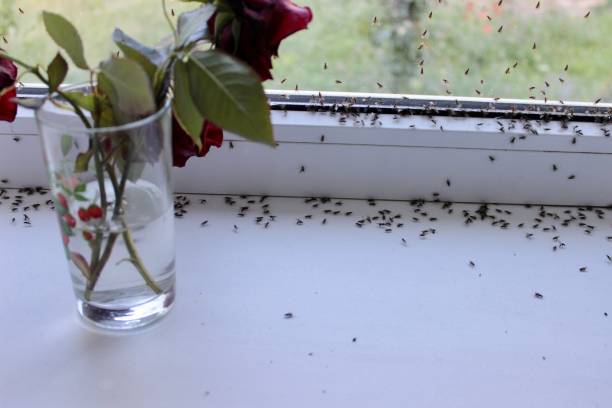
Why Ants Invade Cincinnati Homes in Summer and How to Stop Them
Ants are the most common pest call we get, and summer is their busy season. If you’ve found a trail marching across your kitchen counter or a line of them working along your baseboard, you’re dealing with one of the most persistent (and most misunderstood) pests in Greater Cincinnati. The good news: once you understand why they’re coming in, stopping them gets a lot more straightforward.
Here’s what every Cincinnati homeowner should know about summer ants.
Why Ants Come Indoors in Summer
Ants don’t invade your home at random. They’re foraging: sending scouts out from an established colony to find food and water, and following chemical trails back and forth once they find a source. In summer, two things drive them inside:
Food. A few crumbs behind the toaster, a sticky spot near the trash, pet food left out overnight, or a spill under the dishwasher is more than enough to start a trail. Sugar and grease are the biggest draws.
Water. During dry summer stretches, ants come indoors looking for moisture, which is why you so often see them around sinks, dishwashers, and bathrooms. After heavy summer rain, the opposite happens: flooded soil pushes colonies to seek drier ground, and that can mean your foundation and wall voids.
The ants you see are a tiny fraction of the colony. For every forager on your counter, there can be thousands more in a nest you never see: under a slab, behind a wall, in the soil along your foundation, or beneath the mulch in your landscape beds.
The Ants You’re Most Likely to See in Cincinnati
Odorous house ants are the number-one culprit in local homes: small, dark, and named for the faint coconut-like smell they give off when crushed. They love sweets and form long, persistent indoor trails.
Pavement ants nest under sidewalks, driveways, and slab foundations, pushing up little piles of soil at the cracks. They’ll come indoors for both sweets and greasy foods.
Carpenter ants are the ones to take seriously. Larger and usually black, they don’t eat wood like termites, but they excavate it to build nests, favoring wood that’s already been softened by moisture. Carpenter ants indoors, especially in spring and summer, can signal a moisture problem and the potential for structural damage over time.
Correctly identifying the species matters, because the most effective treatment is different for each one. This is the single biggest reason DIY ant control so often fails: the wrong bait or a surface spray can actually make some species worse by causing the colony to split and scatter.
Why DIY Ant Control Usually Falls Short
Most over-the-counter ant sprays kill the ants you can see and nothing else. That feels like progress for a day or two, but the colony is untouched and the trail comes right back, sometimes through a different entry point. Worse, certain repellent sprays can trigger some ant species to “bud,” splitting one colony into several and turning a single trail into a much bigger problem.
Effective ant control works the opposite way: it uses the ants’ own foraging behavior against them, letting workers carry a slow-acting bait back to the colony so it reaches the queen and the brood. Done right, you eliminate the source, not just the symptoms. That takes correct species identification, the right product, and placement based on where the colony actually is.
How to Keep Ants Out: Prevention That Works
A few habits genuinely reduce ant pressure around a Cincinnati home:
Keep counters, floors, and the area around the trash clean and free of crumbs and spills, especially anything sweet or greasy. Store pantry staples like sugar, honey, and cereal in sealed containers, and don’t leave pet food out overnight. Fix dripping faucets and any moisture problems under sinks, since water draws ants as much as food does. Outside, pull mulch and soil back from your foundation, trim shrubs and tree branches that touch the house (they make convenient bridges indoors), and seal gaps around windows, doors, utility lines, and the foundation. And keep an eye out for any wood kept damp by poor drainage. That’s prime carpenter ant territory.
These steps make your home a harder target. But once a colony is established and trailing indoors, prevention alone usually isn’t enough. That’s when it’s worth bringing in a licensed pro.
Licensed Ant Control in Cincinnati
At Delhi Pest Control, we start by identifying the species, because that determines everything about the treatment. We target the colony at its source rather than just the trail you can see, treat the interior and exterior entry points, and give you a clear plan to keep them from coming back. Ant control is also covered under our Tri-Shield recurring plans, which keep your home protected through the whole season, not just the week of the visit.
We’ve been keeping ants out of West-side Cincinnati homes since 1982. If you’re seeing trails you can’t get rid of, give us a call.