
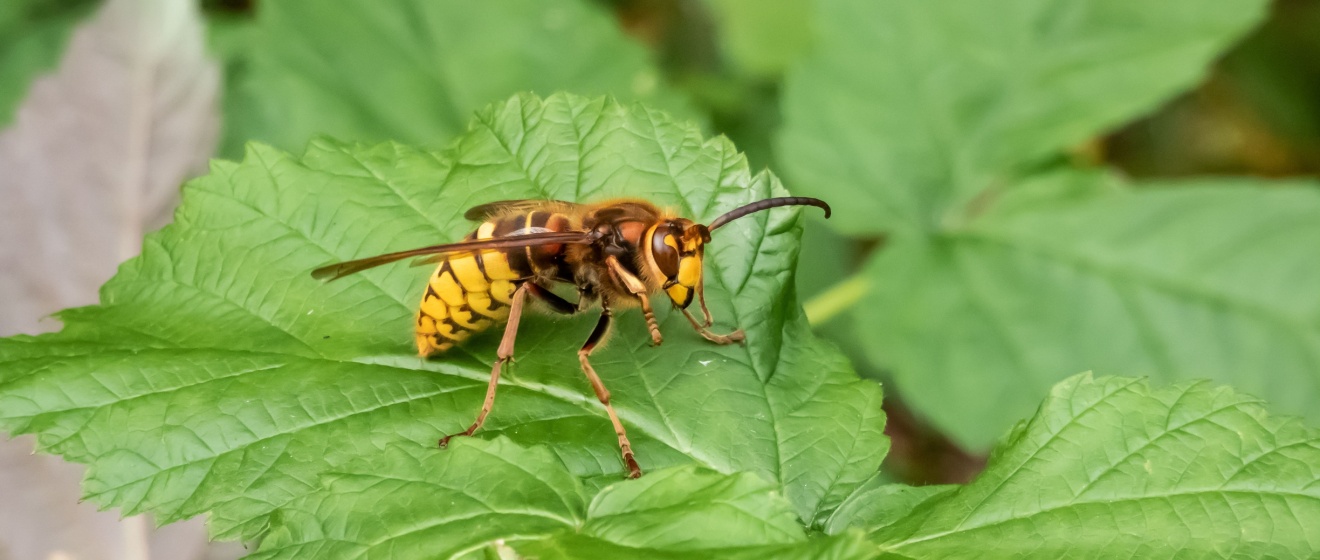
As the weather warms up in Cincinnati, OH, stinging insects like wasps and hornets become a common concern for homeowners — and by late summer, their colonies are at their largest and most aggressive. These pests can pose a real risk to your family, pets, and even your property. Left unchecked, they build large nests near your home, raising the odds of painful stings and dangerous allergic reactions.
At Delhi Pest Control, we’ve kept Cincinnati homes safe from stinging insects since 1982. Here’s how to identify, prevent, and safely remove wasps and hornets.
Why Are Wasps and Hornets a Threat?
Unlike bees, wasps and hornets can sting multiple times without losing their stinger, which makes them especially dangerous when they feel threatened. Key risks include:
- Painful stings: Their venom causes immediate pain, swelling, and redness that can last for hours or days.
- Allergic reactions: Some people experience severe reactions that require emergency medical care.
- Aggressive swarming: Disturb a nest and the colony will defend it, attacking in numbers.
- Property damage: Some species burrow into wood or nest inside wall voids and soffits.
How to Identify Wasps and Hornets Around Your Home
Correct identification shapes the safest removal method. These are the most common stinging insects in Cincinnati:
Paper Wasps
- Slender bodies with long legs; brown with yellow or reddish markings
- Build open, umbrella-shaped nests under eaves, decks, and in attics
- Moderately aggressive, especially when the nest is disturbed
Yellowjackets
- Black-and-yellow striped, more compact than paper wasps
- Often nest underground, in wall voids, or hidden spaces
- Extremely aggressive, especially in late summer and early fall
Bald-Faced Hornets
- Black bodies with white markings; larger than most wasps
- Build large, enclosed, football-shaped paper nests in trees or on buildings
- Very aggressive and will swarm if the nest is disturbed
European Hornets
- Brown with yellow-orange markings; up to about 1.5 inches long
- Prefer to nest in hollow trees, barns, or wall voids
- Can be aggressive but usually sting only when provoked
If you spot an active nest near your home, don’t attempt to remove it yourself — call Delhi Pest Control for safe, effective removal.
How to Prevent Wasps and Hornets From Nesting
You can’t eliminate every stinging insect, but you can make your home far less inviting:
- Seal entry points: Caulk cracks, gaps, and holes where insects could nest inside walls, soffits, or attics.
- Remove food sources: Keep garbage cans sealed, clean up spills, and don’t leave pet food or sweet drinks outside.
- Trim vegetation: Keep trees, shrubs, and bushes tidy to reduce nesting spots.
- Check monthly: Inspect eaves, soffits, and deck rails through the summer — a nest the size of a golf ball is far easier to handle than a mature one.
Why Professional Removal Is the Safest Choice
Removing a nest yourself can be dangerous, especially with a large colony or a hard-to-reach nest. Professional stinging insect control is the safer, more reliable option because it includes:
- Expert identification of the species and the right removal method
- Protective equipment that prevents stings during removal
- Effective treatment that eliminates the entire nest, not just the insects you see
- Prevention strategies to keep stinging insects from returning
For lasting peace of mind, stinging insects are also covered under our year-round pest control plans.
What to Do If You Find a Nest
- Keep your distance: Don’t approach the nest or make loud noises that could agitate the colony.
- Avoid store-bought sprays: Many only kill surface-level insects and can make the colony more aggressive.
- Call a professional: The safest, most effective option is expert removal.
Frequently Asked Questions
When are wasps and hornets most aggressive?
Late summer and early fall. Colonies are at their peak size and competing for food, which makes yellowjackets in particular far more likely to sting.
Is it safe to remove a nest myself?
A small, low, easy-to-reach paper wasp nest is sometimes manageable. Anything large, high, enclosed, or underground should be left to a licensed pro — disturbed nests are a leading cause of summer ER visits.
Why do the wasps keep coming back after I spray?
Retail sprays usually kill only the workers you hit, leaving the nest and queen to rebuild. Treating the nest and colony at the source is what actually solves it.
Are your treatments safe for kids and pets?
Yes. Our licensed technicians follow all label and safety guidelines and are happy to walk you through the specifics before treating.
Protect Your Home With Delhi Pest Control
Don’t let wasps and hornets take over your yard. With the right prevention and professional stinging insect control, you can enjoy a safe, pest-free outdoor space. Delhi Pest Control has protected Cincinnati homes since 1982.
📞 Call or text (513) 451-1800 for a free estimate.