
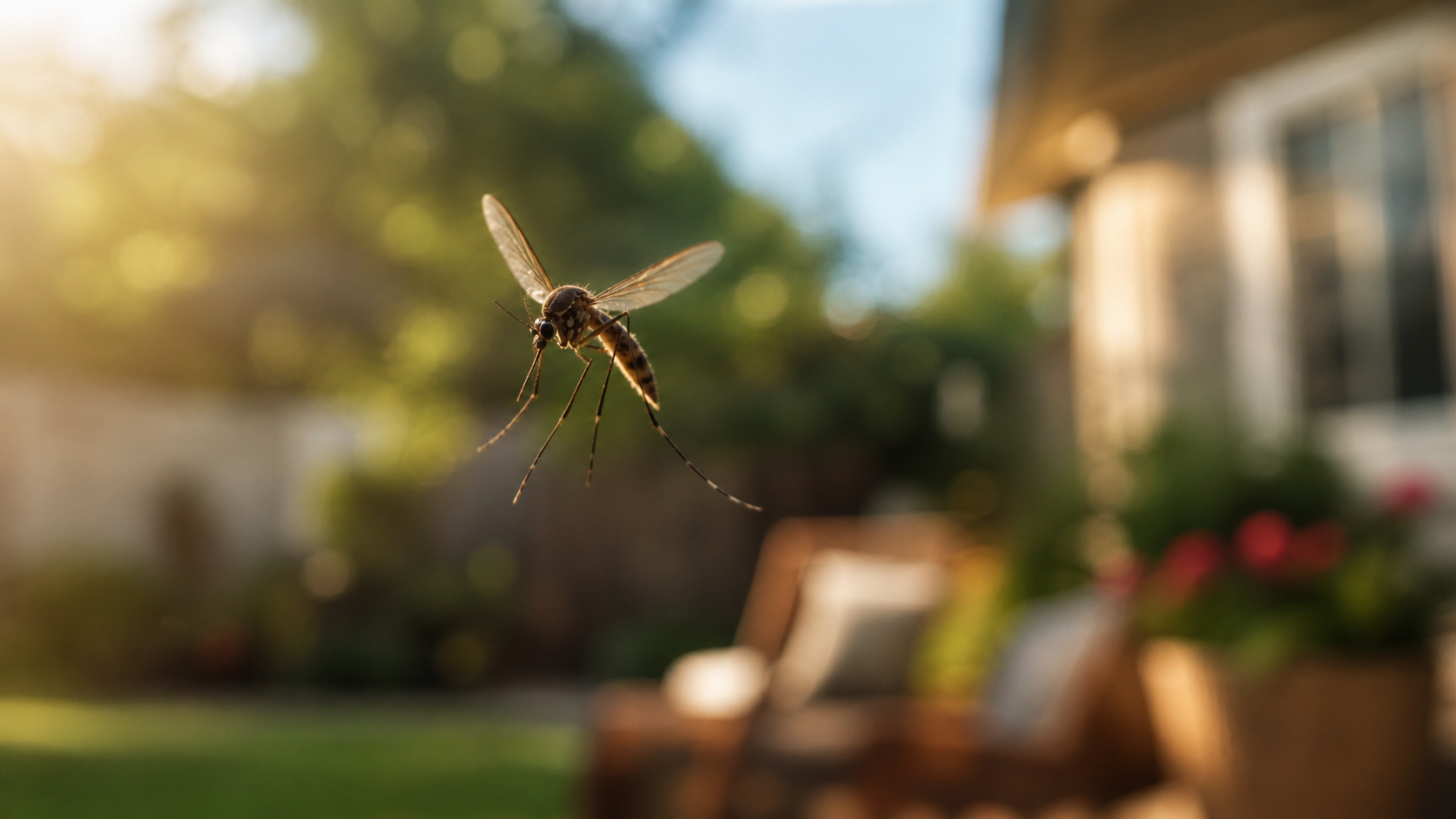
Mosquitoes are one of those summer realities that most people accept as a minor annoyance — swat, spray some DEET, go back to your cookout. But in Ohio, mosquitoes carry more than an itch. Several mosquito-borne diseases are active in our region, and the Greater Cincinnati area’s warm summers, river proximity, and humid conditions create ideal conditions for mosquito populations to thrive.
Here’s what you need to know.
West Nile Virus: Ohio’s Most Common Mosquito-Borne Illness
West Nile Virus is the most frequently reported mosquito-borne illness in Ohio and across the United States. The virus circulates between mosquitoes and birds, with humans as accidental “dead-end” hosts — meaning we can get infected but generally don’t spread it further.
Most people infected with West Nile Virus show no symptoms at all. About 1 in 5 develop mild flu-like symptoms: fever, headache, body aches, and fatigue. But in less than 1% of cases — particularly among adults over 60 or those with weakened immune systems — the virus can cause serious neurological illness, including encephalitis (brain inflammation) or meningitis.
Ohio sees confirmed West Nile cases every year, and Hamilton County (home to Cincinnati) has historically been among the higher-risk counties in the state due to its urban bird populations and standing water sources.
What to watch for: Sudden fever, severe headache, neck stiffness, disorientation, or muscle weakness following mosquito exposure. Seek medical attention promptly.
Eastern Equine Encephalitis (EEE): Rare but Serious
EEE sounds like something out of a distant swamp, but it’s been documented in Ohio. The virus is transmitted primarily by Culiseta melanura, a mosquito species that breeds in freshwater swamps, and by several “bridge vector” species that also bite humans.
EEE is rare — but when it does cause illness in humans, it’s severe. The CDC reports a fatality rate of roughly 30% in human cases, and many survivors experience lasting neurological damage. Ohio and neighboring Midwestern states have seen upticks in EEE activity in recent years, prompting public health advisories.
The good news: the specific habitat requirements of the primary EEE vector make widespread suburban transmission less common. But suburban and rural homeowners near wooded areas, wetlands, or retention ponds face elevated exposure.
La Crosse Encephalitis: A Pediatric Concern
La Crosse Encephalitis (LAC) is transmitted by the Eastern Treehole Mosquito (Aedes triseriatus), which breeds in small containers of water: tree holes, old tires, bird baths, buckets, and clogged gutters. It’s highly prevalent in Ohio and the surrounding region, which consistently ranks among the highest-burden states nationally for LAC.
The most vulnerable population? Children under 16. Most adults who contract LAC experience mild or no symptoms, but in children, the virus can cause severe encephalitis requiring hospitalization.
Ohio’s wooded suburbs — including much of the Greater Cincinnati area — are well-suited habitat for Aedes triseriatus. This is why pediatric specialists and public health officials often emphasize eliminating small standing water sources around homes with young children.
What You Can Do: Practical Steps for Cincinnati Homeowners
Understanding the risk is step one. Reducing it is step two. Here’s a layered approach:
Eliminate Standing Water
La Crosse mosquitoes breed in as little as a bottle cap of water. Walk your property and dump, drain, or cover: bird baths (change water weekly), clogged gutters, buckets, tarps, old tires, toys, and plant saucers.
Personal Protection
EPA-registered repellents containing DEET, picaridin, or oil of lemon eucalyptus provide reliable protection for time spent outdoors. Reapply as directed, especially during peak mosquito hours (dusk and dawn).
Maintain Your Yard
Mosquitoes rest in cool, shaded vegetation during the day. Keep shrubs trimmed, grass mowed, and leaf litter cleared — especially along fence lines and under decks.
Professional Barrier Spray
For homeowners who want consistent, season-long protection, Delhi Pest Control’s monthly barrier spray program targets the resting and breeding zones mosquitoes use throughout your yard. Monthly treatments break the breeding cycle and prevent populations from rebounding — a significant step up from reactive swatting and personal repellent alone.
When to Be Most Vigilant in Cincinnati
Ohio’s mosquito season typically runs May through October, with peak activity in July and August when heat and humidity are highest. However, a warm spring can push activity earlier, and a mild fall can extend it. Getting protection in place before peak season — rather than reacting after populations are established — makes a meaningful difference.
Protecting Your Family This Season
Mosquito-borne illness is preventable. The combination of eliminating standing water, using repellent, and reducing the mosquito population around your home gives your family real protection — not just hope.
Delhi Pest Control’s Mosquito Barrier Spray Program offers monthly treatments throughout the season for Greater Cincinnati homeowners who want a yard they can actually use. Our treatments are safe for kids and pets, performed by licensed technicians, and designed to keep populations down from the first warm day through the last.
Ready to get ahead of mosquito season? Visit our Mosquito Control page or text or call Delhi Pest Control to schedule your first treatment.
Delhi Pest Control serves Delhi Township and the Greater Cincinnati area. Licensed and insured.